
Roof Repair

Struggling With Ongoing Roof Leaks?

Recurring water stains and drips mean temporary patches are failing. The real issue is deeper, caused by a compromised seal or hidden structural failure that requires a permanent fix.

Degraded Weatherproofing

Sealants harden and crack after years of harsh sun exposure and rain. Once flexibility is lost, protective joint seals stop acting as a water barrier, turning simple roof joints into primary pathways for active rainwater leakage into your home's internal structures.

Corroded Connections

Aging metal fasteners and flashing gradually loosen over time, creating hidden gaps across your roof line. These tiny openings allow rainwater to bypass exterior defenses, slowly penetrating internal underlayment layers and risking severe timber deck degradation.

Stagnant Drainage

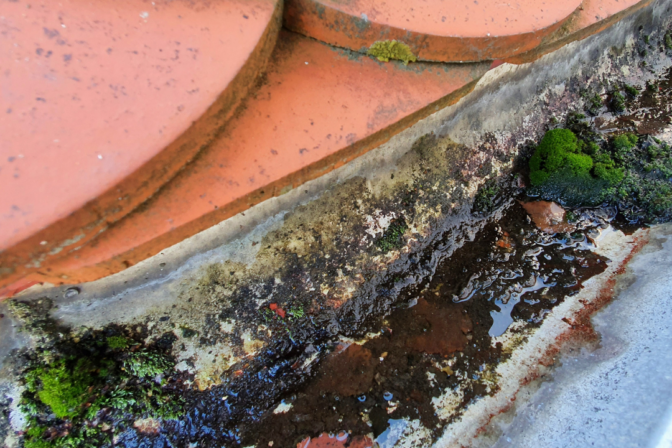
Blocked gutters and clogged outlets force rainwater to pool in areas not designed for standing water. This persistent weight exerts heavy pressure on your roofing deck, causing deep moisture saturation, rotting critical materials, and accelerating structural decay.

Roof Restoration Services

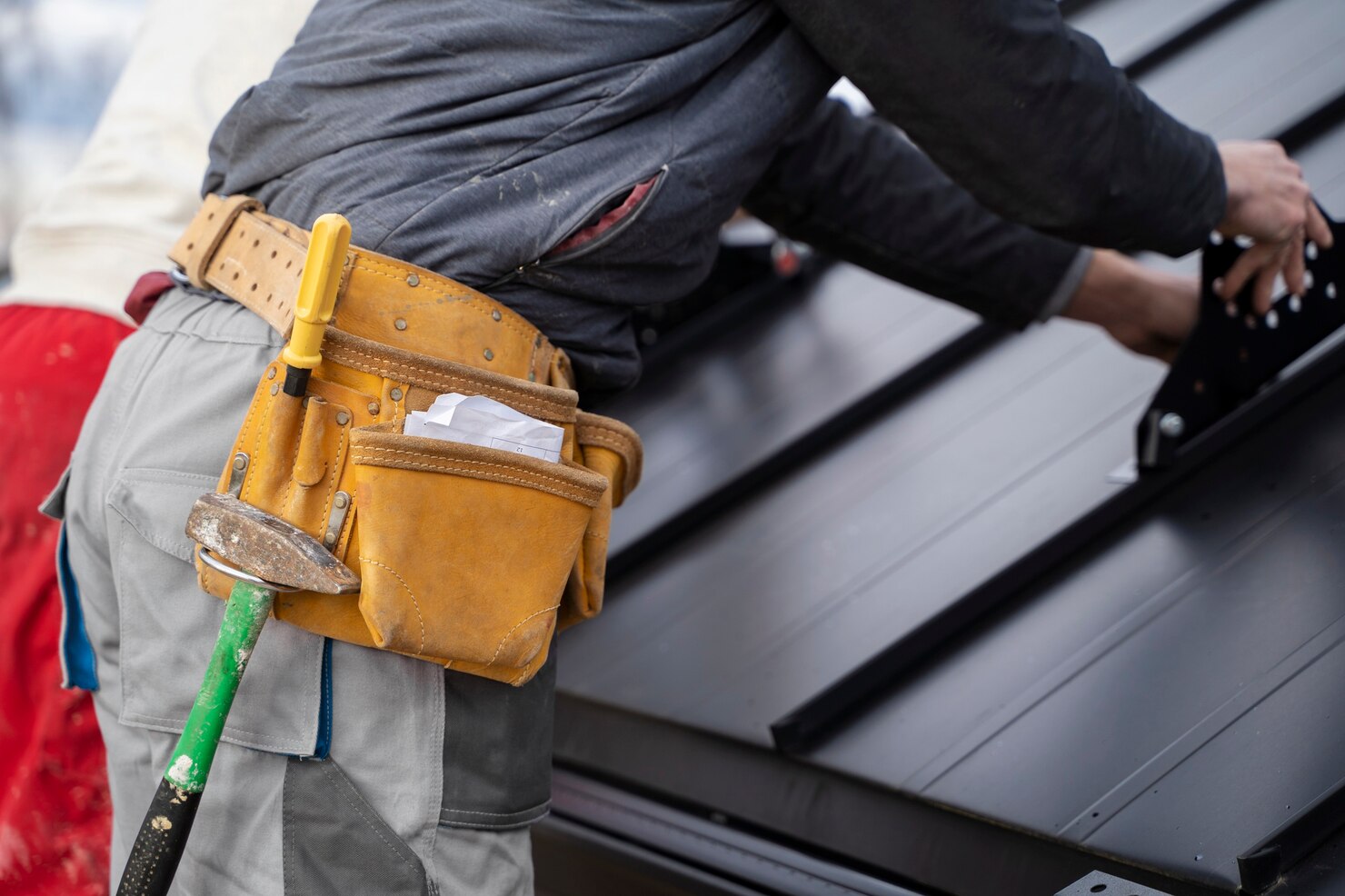
Our team targets the specific mechanics of your roof's failure, utilizing precision diagnostic techniques to stop moisture at the source and offer the best roof solutions. We move beyond basic patching, choosing instead to re-engineer the points of weakness that allow water to compromise your building's envelope.
We prioritize high-performance sealing and reinforcement to ensure your roof can withstand even the heaviest tropical downpours, making our repair services essential for maintaining a durable roof structure. By hardening these critical interfaces, we protect your ceiling, walls, and structural integrity from the long-term impact of recurring water intrusion, which may require roof leak repair services.

Our Approach to Roof Repair

A leaking roof threatens your home's structure and put your family's safety at risk. Stop relying on temporary quick fixes that leave you worrying every time it rains. Get targeted, high-grade restoration solutions that seal leaks at the source and protect your property for years to come.

Metal Roof Systems

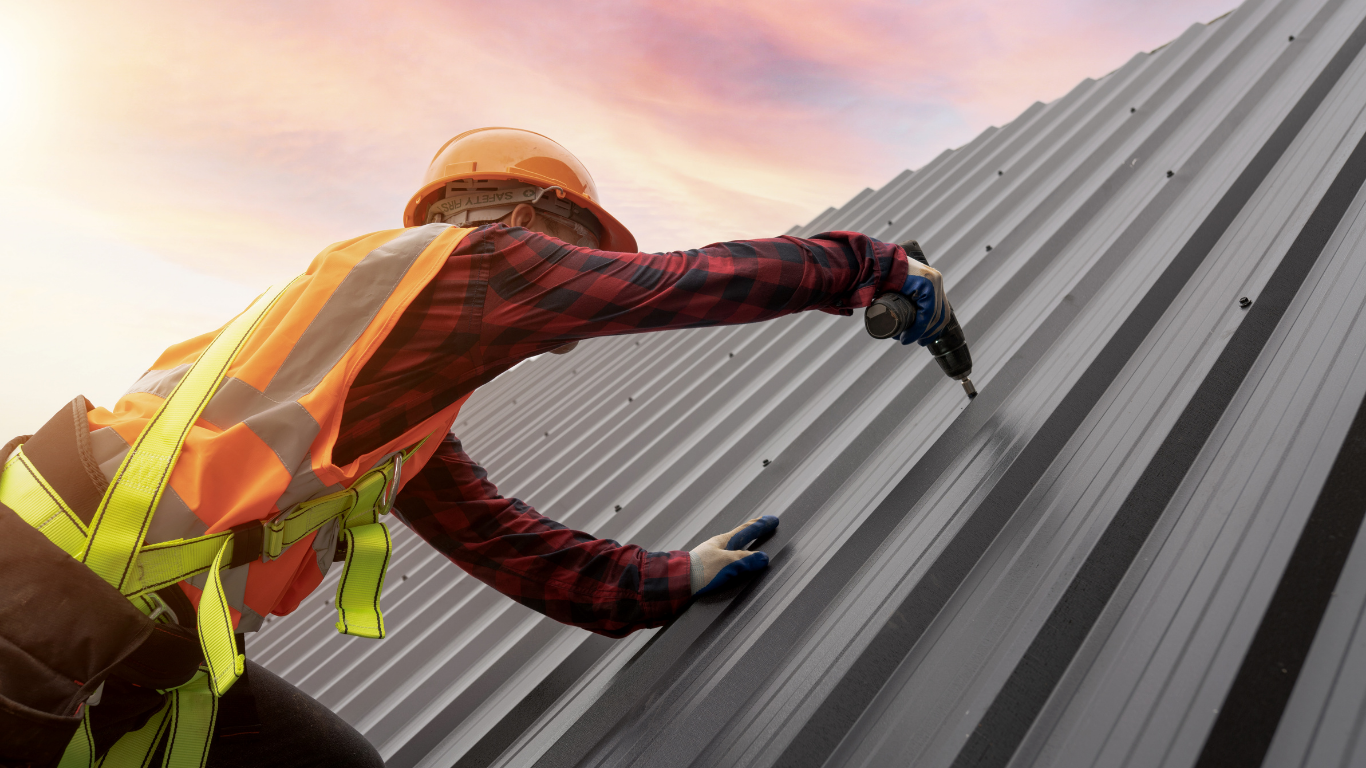
We restore leaking corrugated and standing-seam metal roofs by replacing oxidized fasteners, re-bonding compromised lap seams, and realign custom perimeter flashing. Our precision repairs eliminate water ingress points and prevent rust corrosion across your entire metal roof structure.

Tiled & Pitched Surfaces

We repair pitched roof leaks by replacing cracked clay or concrete tiles, restabilizing loose ridge capping, and renewing degraded ridge pointing. This comprehensive restoration eliminates underlayment water damage and restores a wind-driven rain barrier across your roof pitch.

Concrete (RC) Decks

We fix flat concrete roof leaks by treating structural hairline cracks, clearing drainage blockages, and applying advanced liquid-applied waterproof membranes. This creates an unbroken, monolithic moisture shield that prevents water ponding, concrete spalling, and internal ceiling leaks.
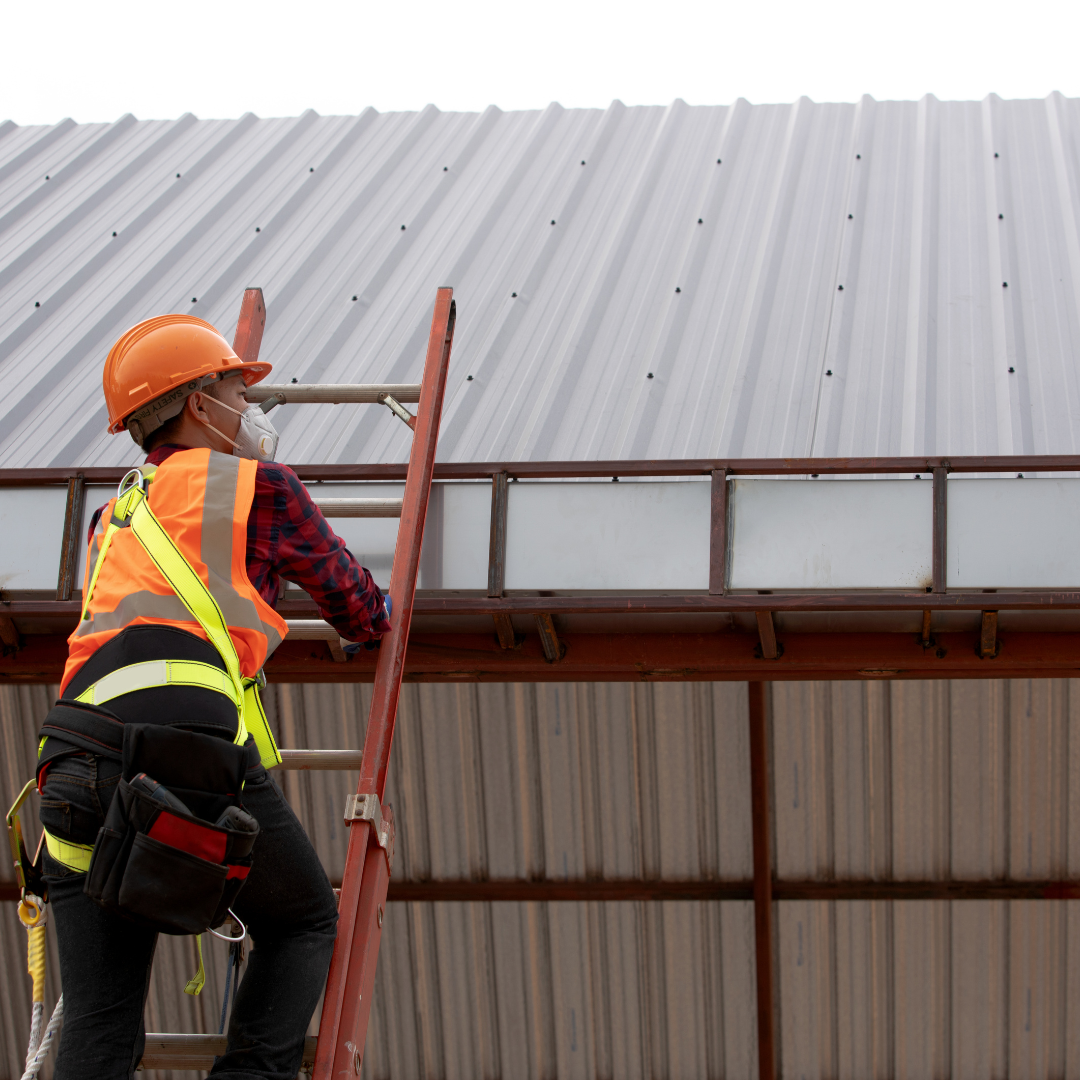
Signals You Need an Inspection from a Roofing Contractor in Singapore

Don’t wait for a minor drip to become a major ceiling collapse. Catching these critical warning signs early allows you to fix hidden roof leaks before they cause severe structural damage inside your home.

  • Internal Staining: Discolored water patches or bubbling paint on your upper ceilings signal active rainwater penetration. Moisture is already seeping through your roof deck and accumulating behind internal plasterwork.
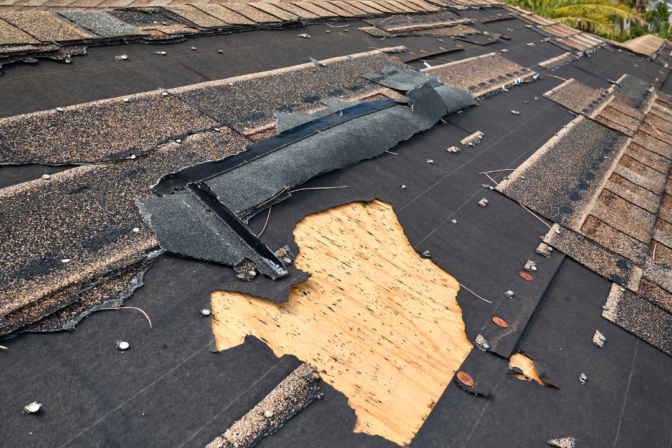
  • Loose or Shifted Tiles: Visible gaps, cracked shingles, or misaligned roof tiles leave your underlying weatherproof membrane exposed. Rainwater bypasses these broken exterior shields and creates direct leak paths into your roof structure.
  • Overflowing Gutters: Rainwater spilling over the sides of your channels instead of flowing to the downspouts can indicate a roof work issue that needs immediate attention.
  • Brittle & Cracked Sealants: Crumbly, dusty sealant around roof joints and flashing strips means your waterproof barriers have failed. These deteriorated seals allow rainwater to seep directly into vulnerable structural seams.
  • Persistent Top-Floor Dampness: A lingering musty smell or high humidity in your top-floor rooms points to hidden water ingress. Trapped roof moisture continuously degrades structural insulation and fosters unseen mold growth.
How can you tell if a leak is coming from the roof or the wall, and when should you call local roofing experts for an assessment?

It is a common point of confusion. We perform a dye-water test to trace the specific path of the moisture; often, what looks like a roof leak is actually a failure in the facade sealant or the interface where the roof meets the wall.

This usually signals that water is getting trapped underneath your roof's outer layer—what we call "migratory leakage," which may indicate that your roof needs repair work. The water follows the path of least resistance through the structure, so it shows up in different interior locations based on wind direction or rain intensity, indicating a potential need for roof leak repair.

Most failures occur because the contractor didn't account for the thermal expansion of the roof materials, which can lead to costly repair work. If the sealant isn't flexible enough to move with the metal roof or concrete as it heats up during the day, the bond will inevitably snap, causing the leak repair to return.

The substrate is the structural base beneath your roof tiles or waterproofing membrane, which is crucial for proper roof installation. If it is already saturated or rotted, simply replacing the surface layer won't stop the leak—the moisture will eventually find its way back out. We always inspect the condition of the substrate before proposing any fix.

Rarely. A quick patch is a temporary emergency measure, so consider our roof repair services for a more effective solution. For a real, lasting fix, we must clean, prime, and apply a multi-layer system that is chemically compatible with your specific roof material. We prioritize longevity over the "quick fix" mentality.

Given Singapore's intense tropical heat, UV exposure, and frequent heavy downpours, roof materials expand and contract constantly. We recommend a full professional inspection at least once a year, or immediately following severe storms, to catch degraded sealants and shifted tiles before they turn into active interior leaks.

We can apply emergency temporary containment measures during severe rain to prevent immediate interior damage. However, permanent structural repairs, full waterproofing membranes, and chemical sealant bonding require dry surfaces to cure correctly and create a long-lasting, watertight seal.

CONTACT US

Ready to Stop
the Leak?

Book your free site inspection today. Our team will evaluate your property and provide a clear, no-obligation plan to restore your space.

Fill the From Below