

Roof Waterproofing

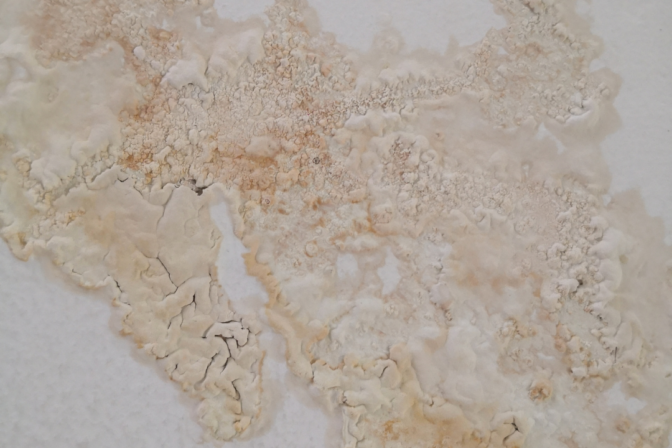
Seeing Damp Streaks or Water Marks?

If moisture is appearing on your ceiling after the rain, your roof's primary defense, the waterproofing membrane, has failed, leading to possible penetration issues. Acting now prevents hidden structural decay and keeps repair costs from spiraling, especially when considering the roof waterproofing cost in Singapore.

Compromised
Structural Health

Ongoing seepage eventually rots core timber supports and weakens structural beams. This creates severe property safety risks that go far beyond superficial wall peeling, requiring urgent intervention from a licensed roofing contractor in Singapore to prevent ceiling collapses.


Hidden Interior
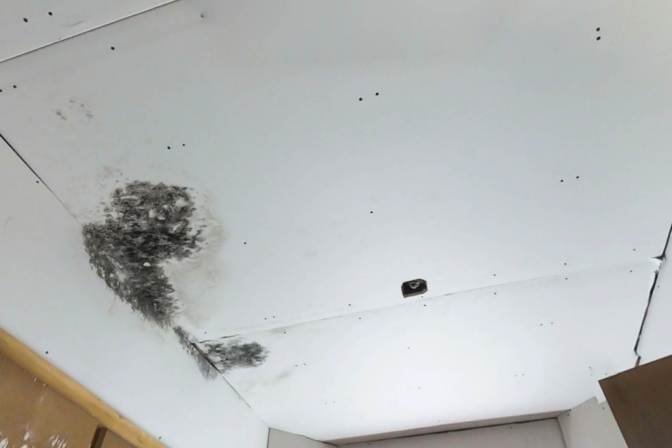
Mold Growth

Water migrates straight through internal wall cavities and insulation layers, fostering hazardous mold outbreaks long before damp spots show inside. Scheduling timely roof leak repair services stops hidden spore proliferation and protects your family's indoor air quality.

Accelerated
Material Decay

Trapped moisture inside your roofing assembly degrades tiles, metal panels, and concrete decks prematurely. Ignoring minor leaks severely shortens your roof's lifespan, leading to far higher roof waterproofing costs in Singapore when complete deck overhauls are required.

Roof Waterproofing Services

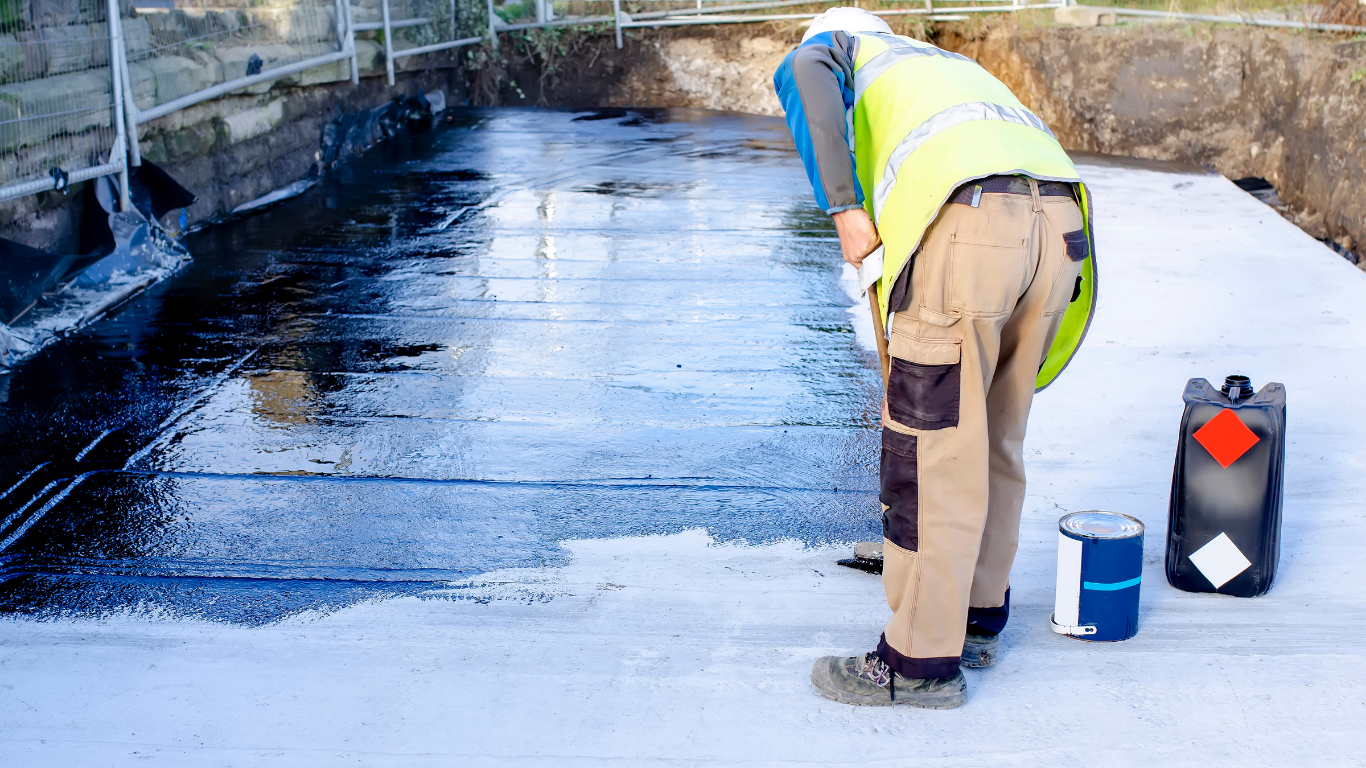
Proper waterproofing creates a tough, seamless barrier designed to stop water dead in its tracks, even during heavy storms. By fully wrapping the roof in protective materials, including a waterproofing membrane, moisture is blocked out and the property’s foundation remains safe from long-term water damage.
Using advanced sealants, heavy-duty membranes, or heat-reflecting coatings, a protective shield is created and specifically matched to the roof type. This keeps interiors dry and cool, ensuring the structure can handle the intense heat and rain of the local climate year after year.
The waterproofing method we use is effective in preventing moisture intrusion.

Our Approach to Roof Waterproofing

Selecting the right waterproofing system is critical for long-term protection against harsh tropical downpours. Our experienced waterproofing contractors in Singapore apply industry-grade materials tailored to your roof’s specific material, layout, and structural needs.

Liquid Applied Sealants

A flexible, paint-on solution ideal for complex roof shapes, tight corners, and hard-to-reach penetrations. Liquid membranes cure into a seamless, rubberized barrier that moves with thermal expansion to eliminate active leaks on flat concrete decks.

Heavy-Duty Membranes

A thick, multi-layered sheet system designed for high-impact protection on large flat roofs and exposed decks. Combined with cementitious waterproofing base coats, it provides an unbeatable defense against persistent water pooling and heavy surface traffic.

Heat-Reflecting Coatings

A 2-in-1 protective topcoat that seals your roof against moisture ingress while reflecting intense solar radiation. By reducing surface heat absorption, it lowers indoor ambient temperatures and protects underlying waterproofing layers from premature UV breakdown.
Warning Signs of Roof Waterproofing Failures

Catching structural waterproofing issues early saves you thousands in major restoration costs. If you notice these critical signs on your property, consult a certified waterproofing contractor in Singapore to resolve internal moisture damage before it spreads.

  • Spreading Stains: Dark patches or peeling paint on ceilings signal active rainwater seepage through your slab. These marks indicate trapped moisture, requiring professional roof leak repair in Singapore to seal the entry point.
  • Persistent Water Pooling: Water staying on flat roofs over 48 hours indicates drainage failure or sagging substrate. Standing water exerts heavy hydrostatic pressure, rapidly breaking down your roof waterproofing layers.
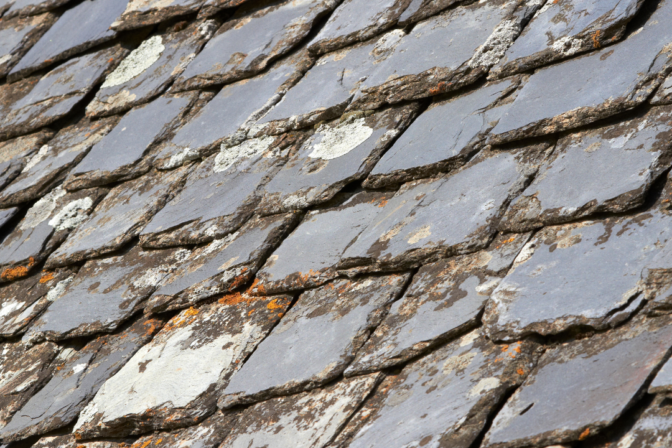
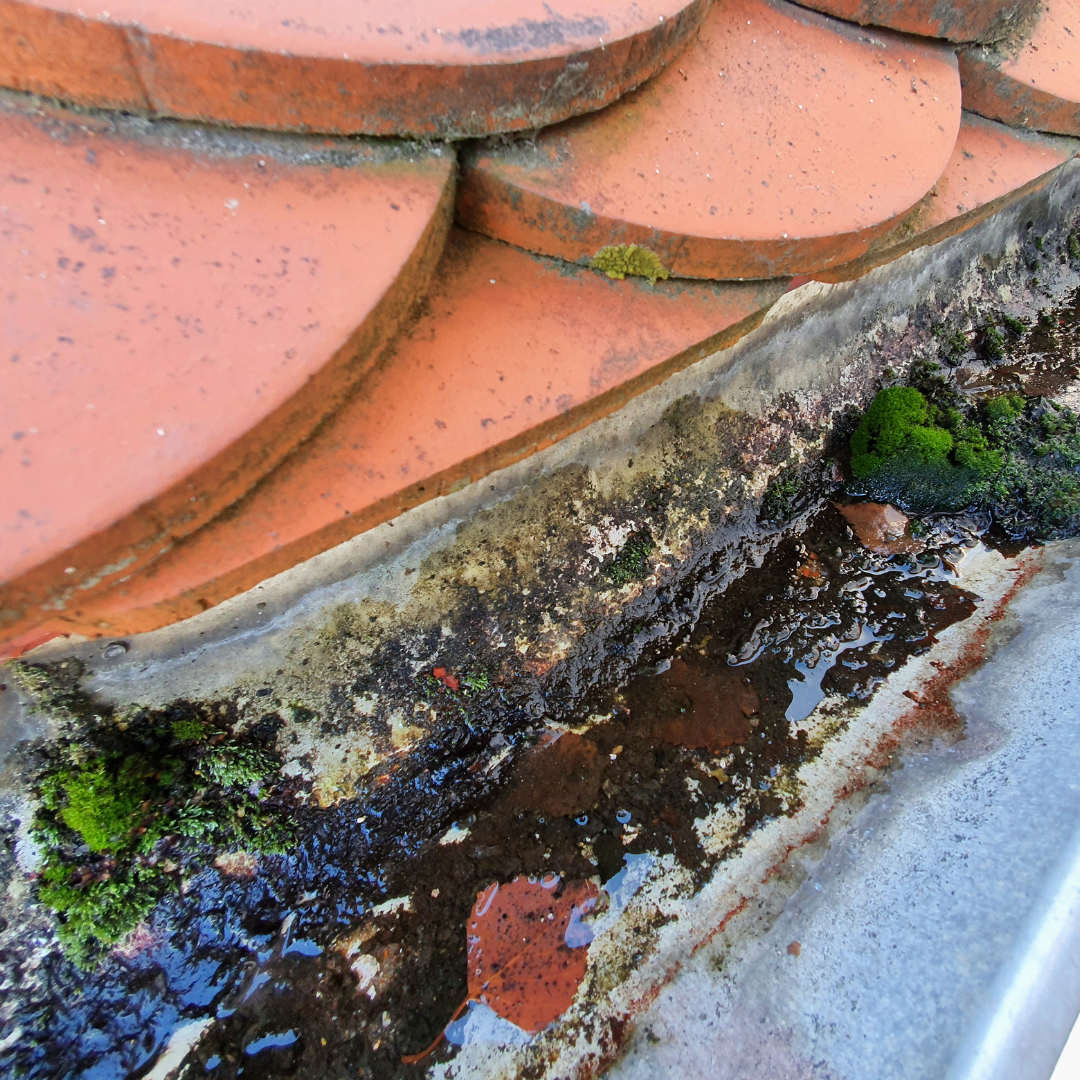
  • Rust & Flaking Metal: Rust stains and flaking paint on metal panels reveal broken protective coatings. Corroded seams create hidden paths for rainwater to bypass exterior defenses and damage internal structures.
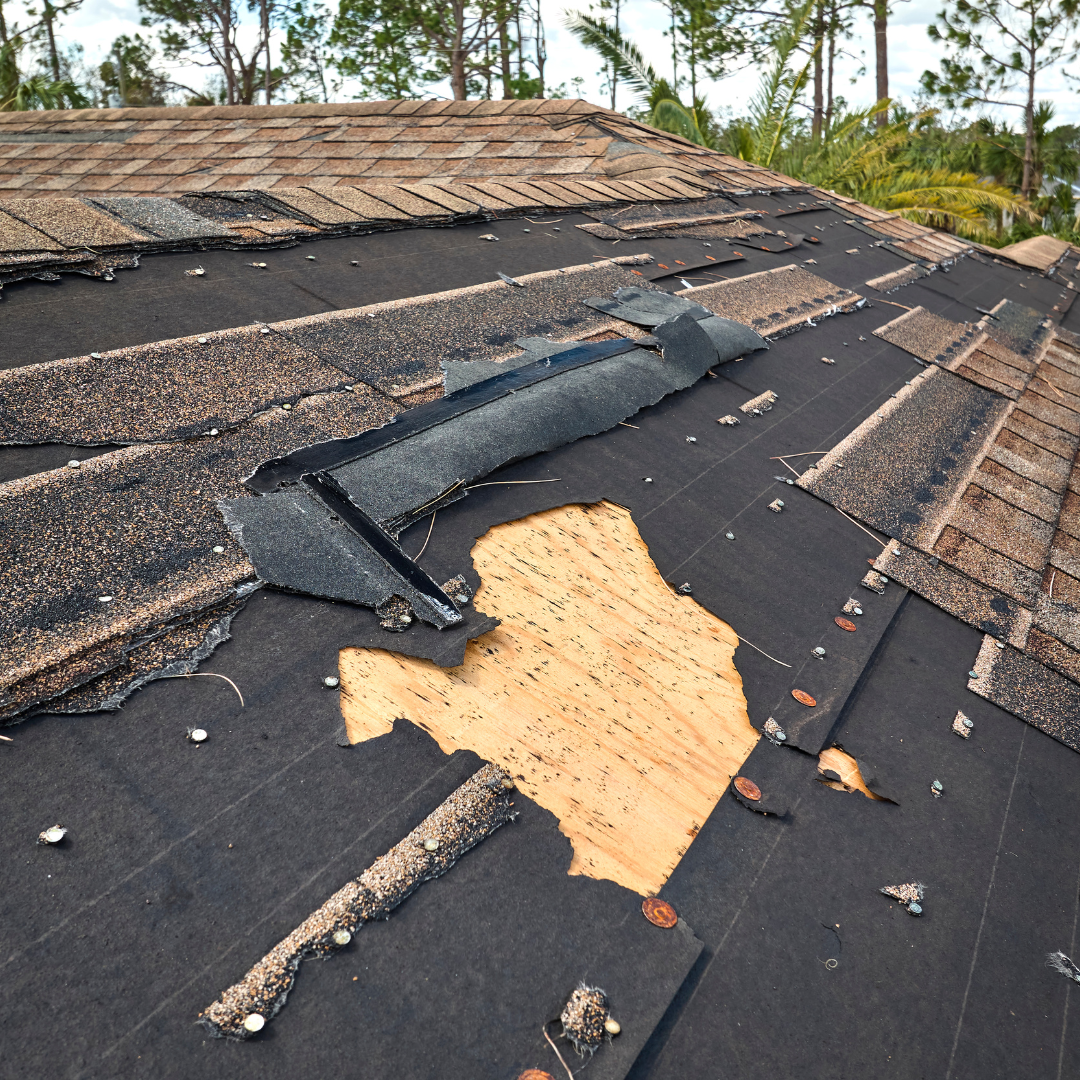
  • Damaged Tiles: Cracked or missing tiles expose your underlying waterproof membrane to harsh sun and rain. Direct exposure degrades membranes fast, making immediate tile repairs vital to prevent ceiling leaks.
  • Lingering Musty Odors: A persistent damp odor in top-floor rooms points to moisture trapped in ceiling cavities. This unseen dampness fosters mold growth, requiring prompt inspection by a roofing contractor in Singapore.
Do I really need an inspection if I think I know where the leak is?

Yes, using a liquid coating can significantly improve waterproofing effectiveness. Water is deceptive; it often travels a long way before dripping through your ceiling, potentially compromising the waterproof layer. Our inspection finds the actual entry point so we fix the real problem, not just the symptom, ensuring the use of the right waterproofing material.

It can. Our heat-reflecting coatings act like a mirror for the sun, bouncing heat away from your roof so your home stays naturally cooler.

We use materials designed to be stretchy. They expand and contract along with your roof as it heats up, so the seal stays tight instead of snapping or peeling.

Water that sits for more than two days eventually forces its way into tiny gaps or cracks, causing structural rot and leading to much bigger, more expensive leaks in the external wall.

It depends on your roof’s shape, how much you walk on it, and its current condition, especially the status of the waterproof layer. We always match the material to your specific roof, including the appropriate liquid coating, to ensure it performs perfectly.

It depends on the condition of the underlying substrate. If the existing coating is well-bonded without severe blistering or flaking, an elastomeric overlay can often be applied after proper surface preparation and priming. However, if the old layer is peeling, degraded, or trapping moisture beneath it, complete removal is necessary. Applying new waterproofing over a failing base will cause the new membrane to debond prematurely, wasting your investment.

A high-grade, professionally installed waterproofing membrane usually lasts between 7 to 15 years, depending on the material used (such as liquid-applied polyurethane, torch-on membranes, or reflective coatings) and the level of direct sun and foot traffic exposure. Conducting routine annual inspections and keeping roof drainage clear of debris will significantly extend the lifespan of your waterproofing system.

CONTACT US

Ready to Stop
the Leak?

Book your free site inspection today. Our team will evaluate your property and provide a clear, no-obligation plan to restore your space.

Fill the Form Below