

Ceiling Leakage Repair

Dealing With Persistent Concrete Cracks?

When concrete surfaces keep showing fissures, spalling, or signs of decay even after basic attempts to fix them, it’s a sign that the root cause, internal moisture or structural stress, isn't being addressed.

Structural decay

Ongoing water seepage quietly erodes your concrete slab over time. This leads to deep structural cracks, ceiling spalling, and surface buckling in HDB flats and private properties. Immediate repair prevents long-term damage and restores full strength to your building.

Toxic mold growth

Persistent moisture behind walls creates the ideal environment for harmful mold to thrive. Spores spread rapidly through your air, causing foul odors, persistent health issues, and hidden concrete decay. Professional waterproofing stops moisture to keep your indoor air safe.


Electrical fire hazards

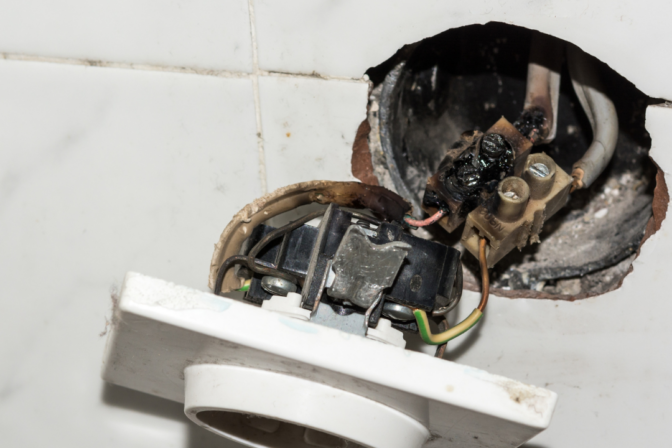
Water traveling through your ceiling cavity easily reaches internal light fixtures and active wiring. This hidden leak creates immediate risks of short circuits, sudden power trips, and dangerous electrical fires. Timely diagnosis keeps your electrical setup secure and dry.


Untitled design

Ceiling Leakage Repair

A leaking ceiling is an active threat to your property’s safety, value, and peace of mind. Left unchecked, water seeping through concrete slabs quietly weakens structural integrity, damages internal electrical wiring, and fuels harmful mold growth.

Most property owners try painting over damp patches, only to watch the water break through again weeks later. Cosmetic touch-ups never work because they trap moisture inside the slab, accelerating spalling concrete and leading to far more expensive repairs down the line.

Get an accurate, root-cause diagnosis that pinpoints exact water ingress paths before applying specialized, high-grade sealants built to handle Singapore’s climate. Stop the cycle of recurring leaks, protect your building structure, and enjoy a safe, dry space with complete confidence.

Our Approach to Leakage Repair

Water damage never fixes itself, it quietly erodes your property's structure and leads to costly repairs over time. Discover how our targeted, non-invasive waterproofing techniques locate the exact source of your leak and deliver lasting, long-term protection for your space.

Polyurethane (PU) Injection

High-grade expandable resin is pressure-injected into concrete cracks to seal active water leaks instantly from within. This method restores full structural protection without requiring messy, destructive hacking or invasive wall demolition inside your property space.

Deep-Pore Nano Treatment

Advanced liquid sealers penetrate deep beneath porous tile and concrete surfaces to form a breathable barrier. This solution repels water absorption, prevents internal concrete decay, and stops mold growth without altering the natural appearance of your floors.

Protective Surface Coating

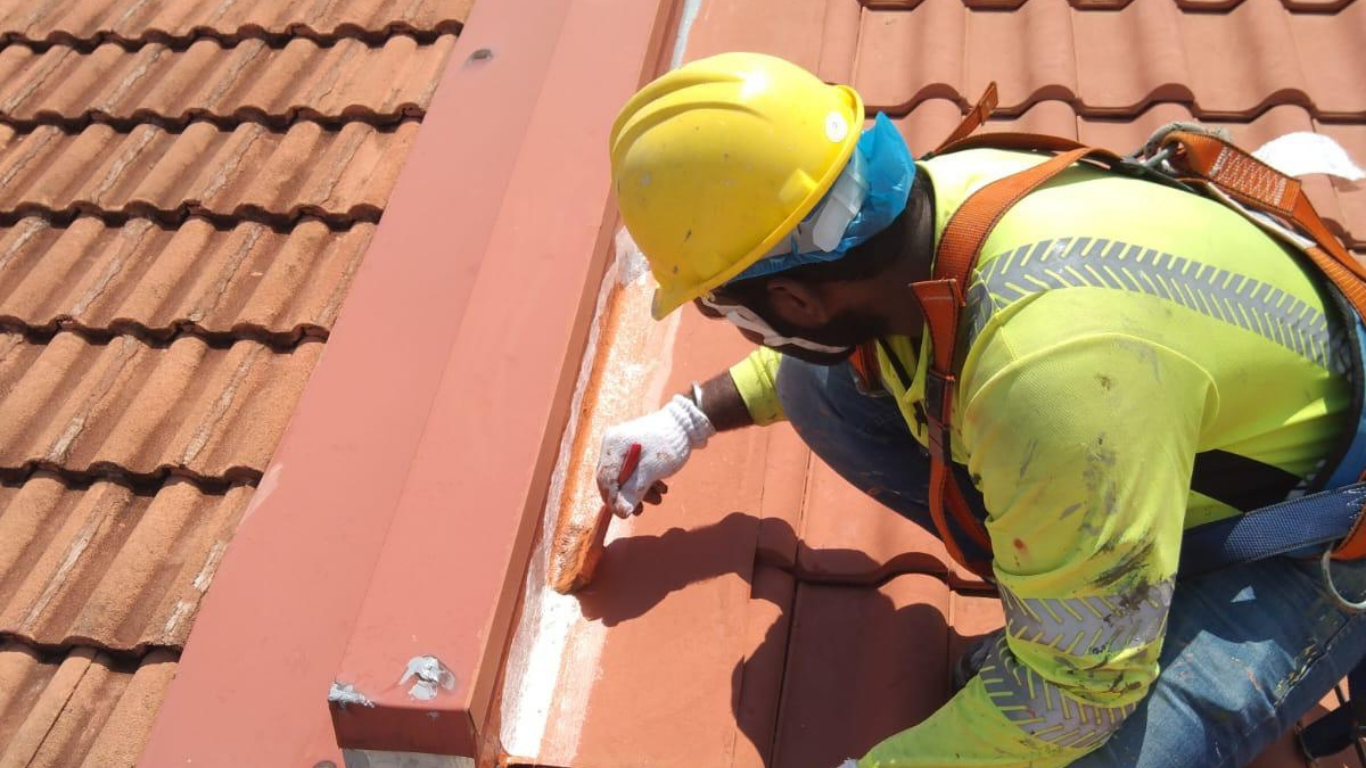
Multi-layered flexible membrane coatings form a seamless, protective layer engineered to endure heavy rainfall and heat. This resilient exterior seal adapts to natural concrete movement, preventing surface cracks from causing water seepage over time.
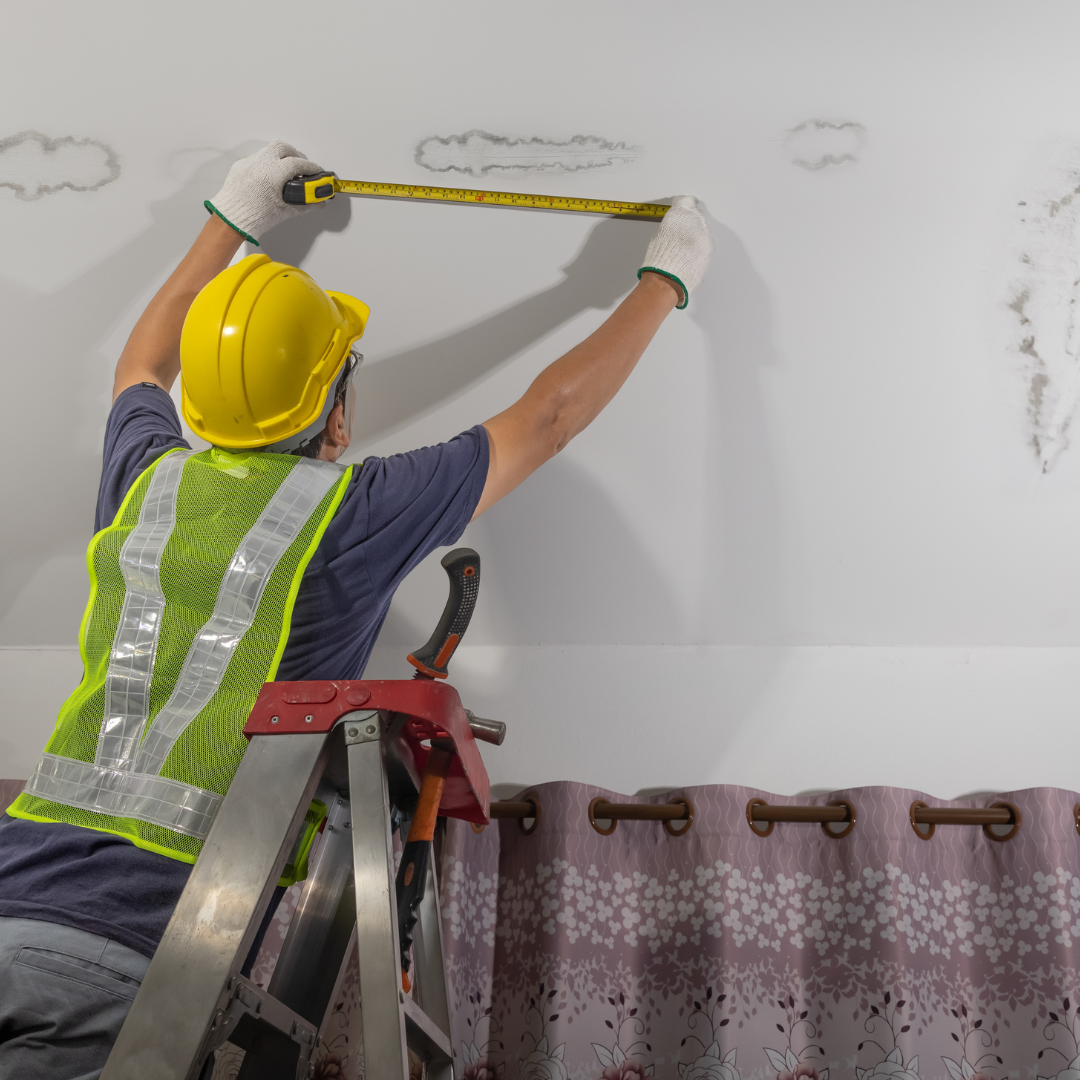
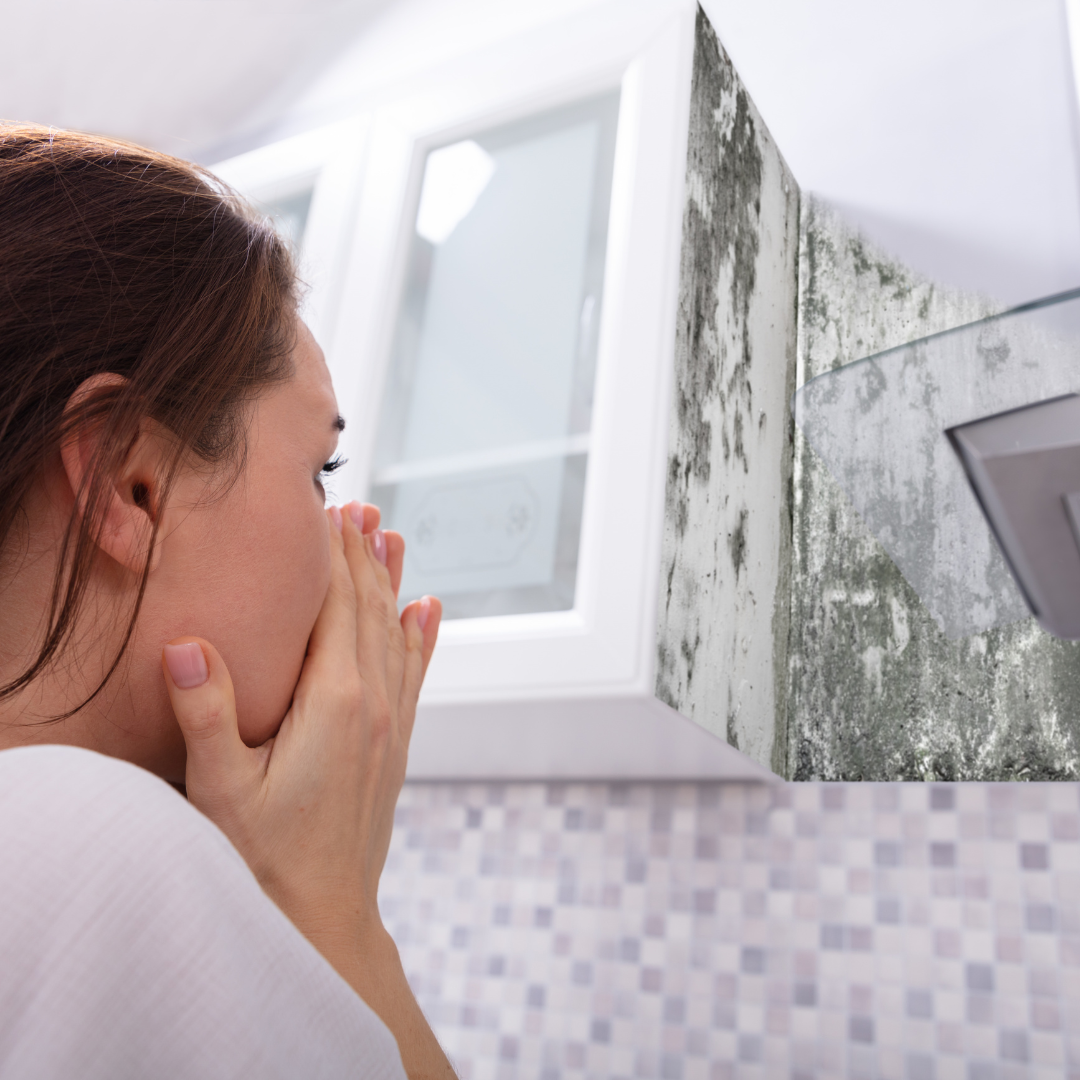
Recognizing Warning Signs

Ignoring early ceiling damage allows moisture to quietly compromise your property's safety and value. Identifying these key warning signs early helps you protect your space before repairs turn into major financial burdens.

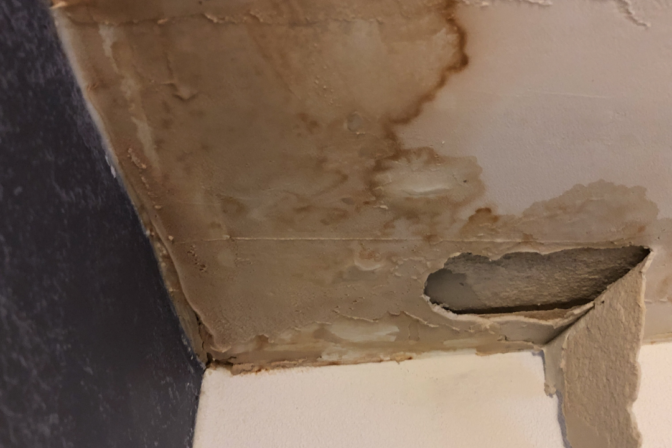
  • Growing Water Stains: Dark, expanding patches or yellow rings on your ceiling that visibly worsen following heavy rainfall.
  • Peeling Paint or Plaster: Bubbling, flaking paint or warped finishes caused by pressure from moisture trapped inside the slab.
  • Persistent Musty Odors: Damp, stale smells in your room that point to hidden mold colonies thriving behind walls and ceilings.
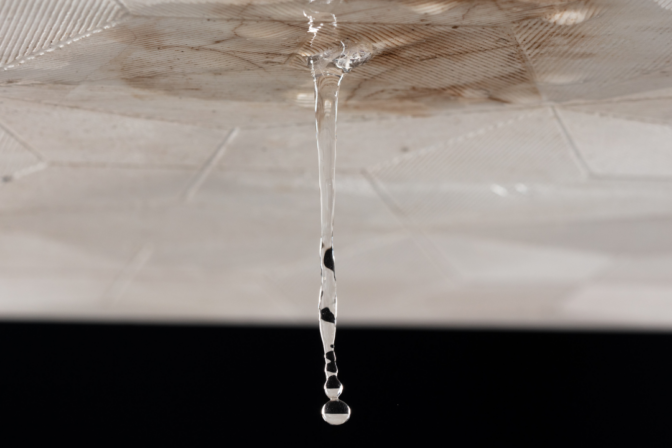
  • Visible Drips or Bulges: Active water leaks or swollen overhead patches that signal dangerously heavy moisture accumulation.
  • Cracked Concrete Slabs: Visible fissures or crumbling concrete areas that show structural stress and risk causing severe ceiling spalling.
  • Rusty Wire Meshes or Rebar: Reddish stain streaks or exposed metal rusting underneath ceiling plaster, signaling deep water penetration into structural reinforcements.
How long does it take for a ceiling leak to cause structural damage?

Once a leak is visible, the concrete has already absorbed significant moisture. Prolonged exposure can lead to the corrosion of internal steel reinforcement (rebar), which can weaken the slab and eventually pose a safety risk to the entire room.

Topical paints only provide a temporary surface seal. They do not address the "voids" or deep cracks inside the concrete where water travels. If the source of the leak is an internal crack, paint will simply trap the moisture, often forcing it to travel elsewhere.

Pricing is determined by the complexity of the leak, the volume of material required to seal the internal voids, and the accessibility of the source. We provide a tailored assessment to ensure you are only paying for the exact solution your specific leak requires.

Yes. While exterior repairs often depend on dry weather, the internal injection methods we use are specifically designed to be effective regardless of the humidity or weather outside. In fact, rainy weather often makes it easier for us to perform a "moisture map" to find the exact source of your leak.

Our non-invasive repair methods are designed to be clean and contained. While we recommend moving small items for easier access, our process is specialized to avoid the dust, debris, and major disruption associated with traditional hacking or renovation work.

Ceiling leaks between levels are usually caused by degraded waterproofing membranes or compromised grout joints in the upper unit's wet areas. Water seeps through these microscopic floor gaps, travels down through the concrete slab, and drips out through your ceiling.

Not necessarily. If caught early, modern non-invasive solutions like chemical polyurethane (PU) injection or deep-pore nano sealers can stop leaks internally from your unit without tearing up or damaging the tiles upstairs.

CONTACT US

Ready to Stop
the Leak?

Book your free site inspection today. Our team will evaluate your property and provide a clear, no-obligation plan to restore your space.

Fill the Form Below